
Atlanta, Georgia – Some of Atlanta’s streets and buildings were constructed with bricks made by men who had no choice but to work. More than a century later, the city is preparing to turn the land connected to that painful history into a place dedicated to remembrance, education and community use.
The former Chattahoochee Brick Company property could soon serve a very different purpose. Instead of representing forced labor and exploitation, the site is being planned as a public park and memorial along the Chattahoochee River.
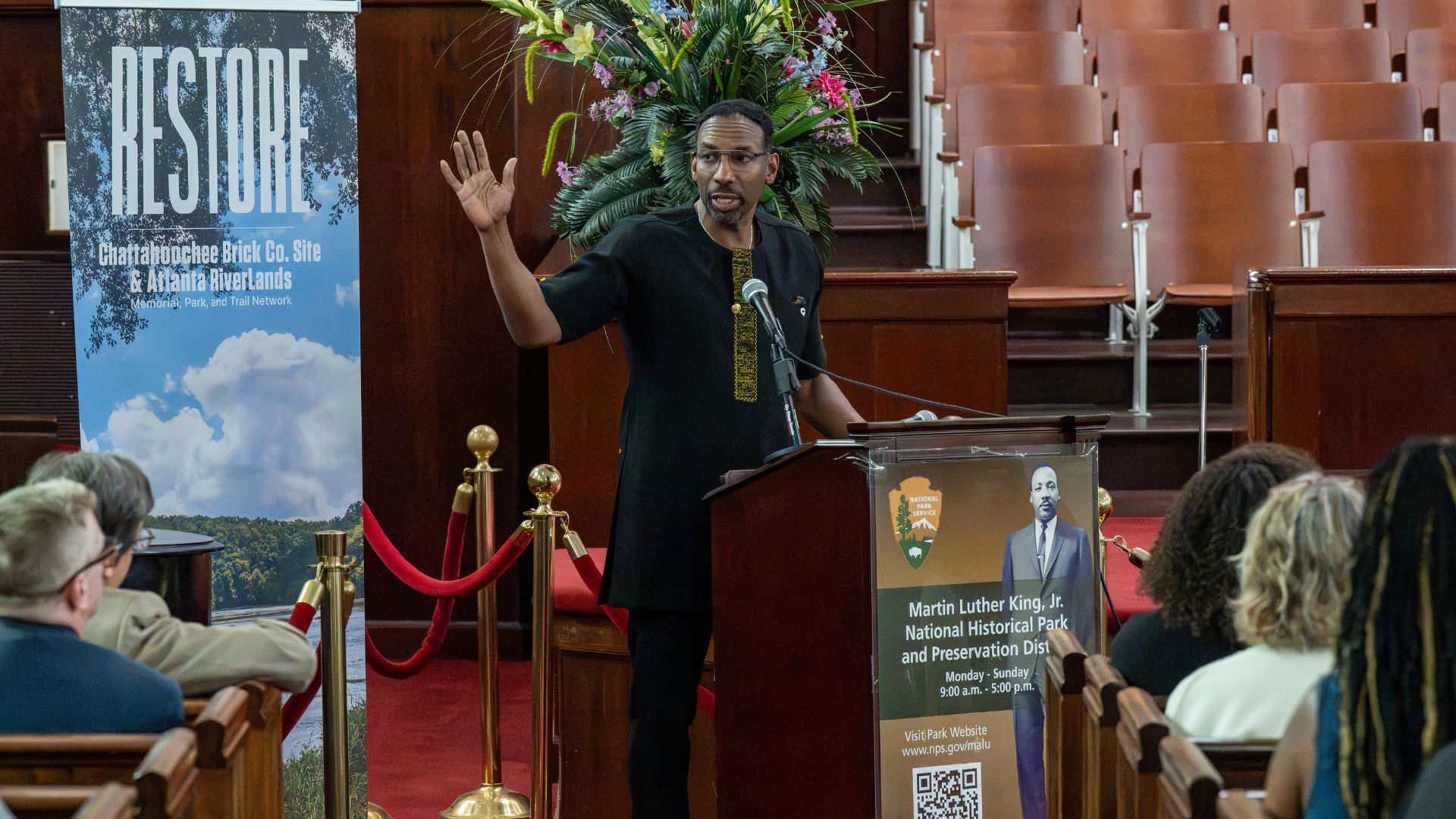
The project reached an important milestone on Saturday, October 3, 2026, when residents, descendants and historic preservation supporters gathered at Historic Ebenezer Baptist Church. The meeting marked the final public discussion of a framework plan developed through years of collaboration between Atlanta officials and the community.
The City of Atlanta purchased the property in 2022, beginning an effort to preserve its history while exploring ways to make the land accessible to the public.
The site’s past remains central to those plans.
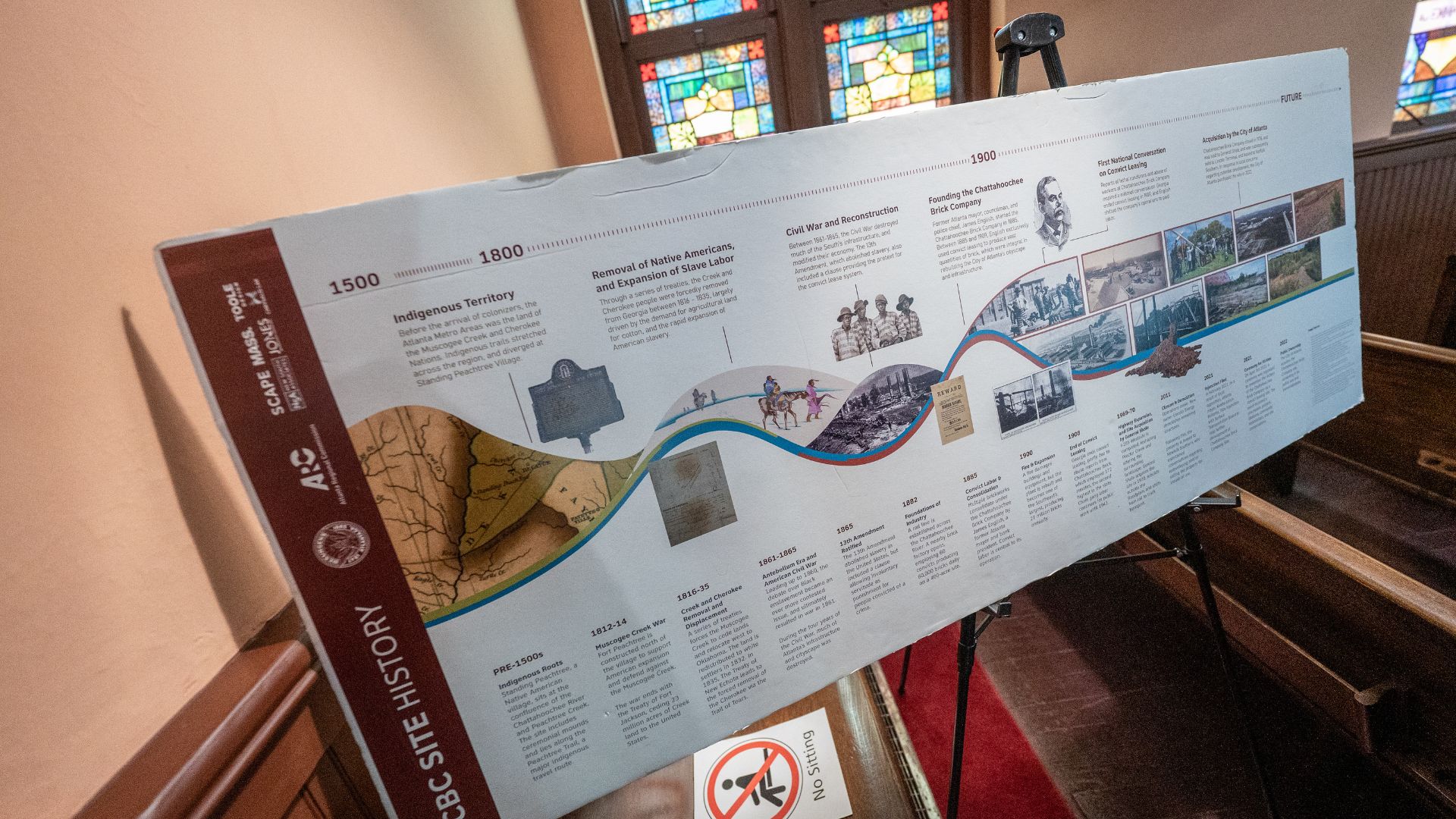
Established in 1885, the Chattahoochee Brick Company operated under Georgia’s convict-leasing system, which disproportionately affected Black men. Prisoners were subjected to harsh forced labor, producing bricks used in Atlanta’s roads, buildings and other infrastructure.
The company belonged to James W. English, who served as Atlanta’s 24th mayor and also held positions on the City Council and as Police Commissioner.
Mayor Andre Dickens emphasized the importance of confronting that history rather than allowing it to disappear.
“We can’t change what happened back in 1878. But we can decide what we do from this point forward,” Mayor Andre Dickens said.
“We can tell the truth, honor the Black men whose labor was exploited, whose lives were sacrificed, and make sure their stories are never erased.”
Read also: Gov. Kemp announces new fuel relief for Georgia farmers and truckers across all 159 counties
During the October 3 gathering, design firm SCAPE presented the completed framework for transforming the property into a memorial, park and public greenspace. The proposed design would give visitors opportunities to learn about the site’s history, reflect on the lives affected and enjoy the riverfront.
The project would also connect with Atlanta RiverLands, an ambitious regional initiative envisioned as a 100-mile network of parks, trails and public spaces along the Chattahoochee River.
“We’re not choosing between remembering the past and building the future,” Mayor Dickens said. “We’re doing both.”
Although the framework is now complete, additional work remains before the vision can become reality. City officials must develop partnerships and obtain the resources needed to advance the project.
Residents interested in the property’s history and proposed transformation can find more information at chattbrickriverlands.atlantaga.gov.

