
Atlanta, Georgia – Atlanta entered the FIFA World Cup 2026 spotlight with more than a global sporting event on its calendar. City leaders have also approved two major measures they say are meant to shape what Atlanta becomes after the visitors leave: the Fiscal Year 2027 Budget and the Opportunity for All: Neighborhood Reinvestment Act.
The Atlanta City Council adopted Mayor Andre Dickens’ $3.2 billion balanced FY2027 budget, including $994.6 million for the City’s General Fund. The spending plan takes effect July 1, 2026, and is aimed at keeping core city services running while advancing the administration’s focus on safe communities, strong families, thriving neighborhoods and broader opportunity across all 12 City Council districts.
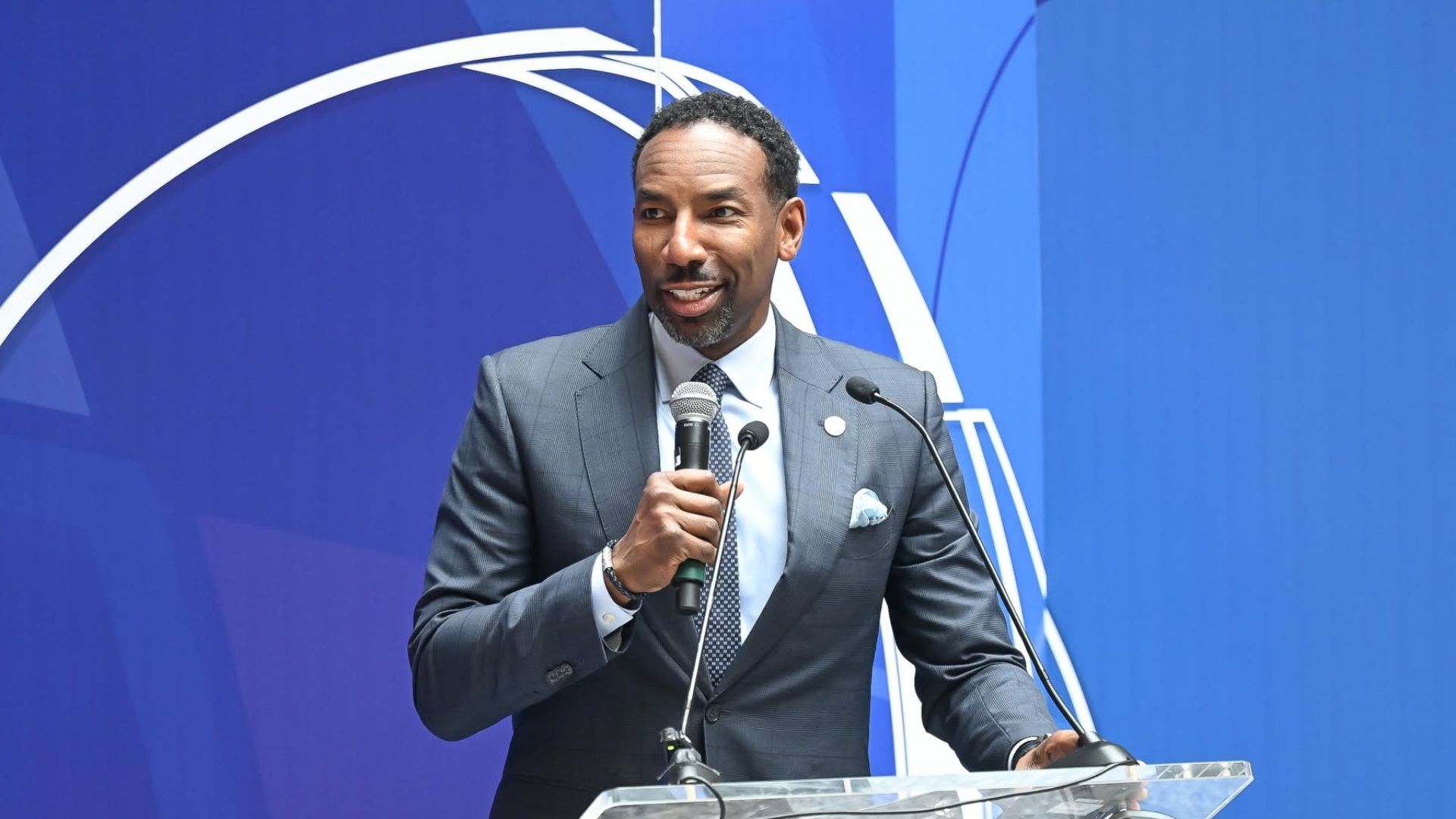
Mayor Dickens framed the moment as one bigger than numbers on a budget sheet.
“Today is one of those moments where Atlanta chooses what kind of city we are going to become,” Dickens said. He pointed to the long-running divide between neighborhoods, saying Atlanta must move away from “the reality of two Atlantas” where a child’s ZIP code can affect housing, education, economic opportunity and even life expectancy.
The budget continues investments in public safety, including pay, training, vehicles and equipment for personnel. It also supports the city’s goal of building or preserving 20,000 affordable housing units by 2030, funds youth programs such as the Summer Youth Employment Program and At-Promise Centers, and keeps money flowing toward parks, infrastructure and quality-of-life improvements.
Alongside the budget, the Neighborhood Reinvestment Act focuses on South and West Atlanta, where residents have faced deeper challenges tied to housing, food access, public safety, education, health and economic mobility. The act creates a broader framework for affordable housing, neighborhood revitalization, anti-displacement work and equitable development.
Chief of Staff Courtney English said the plan marks “a fundamental shift in how Atlanta invests in its people and neighborhoods,” adding that progress should be measured by whether residents’ lives improve.
The package includes six connected reforms: a new NRI Impact Framework, the extension of six Tax Allocation Districts, a City Council-controlled NRI Trust Fund, changes to the Invest Atlanta intergovernmental agreement, reforms to TAD Advisory Committees, and an Anti-Displacement Playbook with more than 20 proposed protections for legacy residents and businesses. More information is available at atlneighborhoods.org and atl.direct/nri.
City officials also pointed to Atlanta’s financial strength. Fitch Ratings affirmed the city’s AAA General Obligation credit rating, Standard & Poor’s upgraded the Department of Watershed Management’s senior-lien bonds to AA, and Fitch upgraded Hartsfield-Jackson Atlanta International Airport to AA.
“This is a balanced budget that meets the moment,” Chief Financial Officer Mohamed Balla said, calling it both fiscally responsible and focused on Atlanta’s future.

