
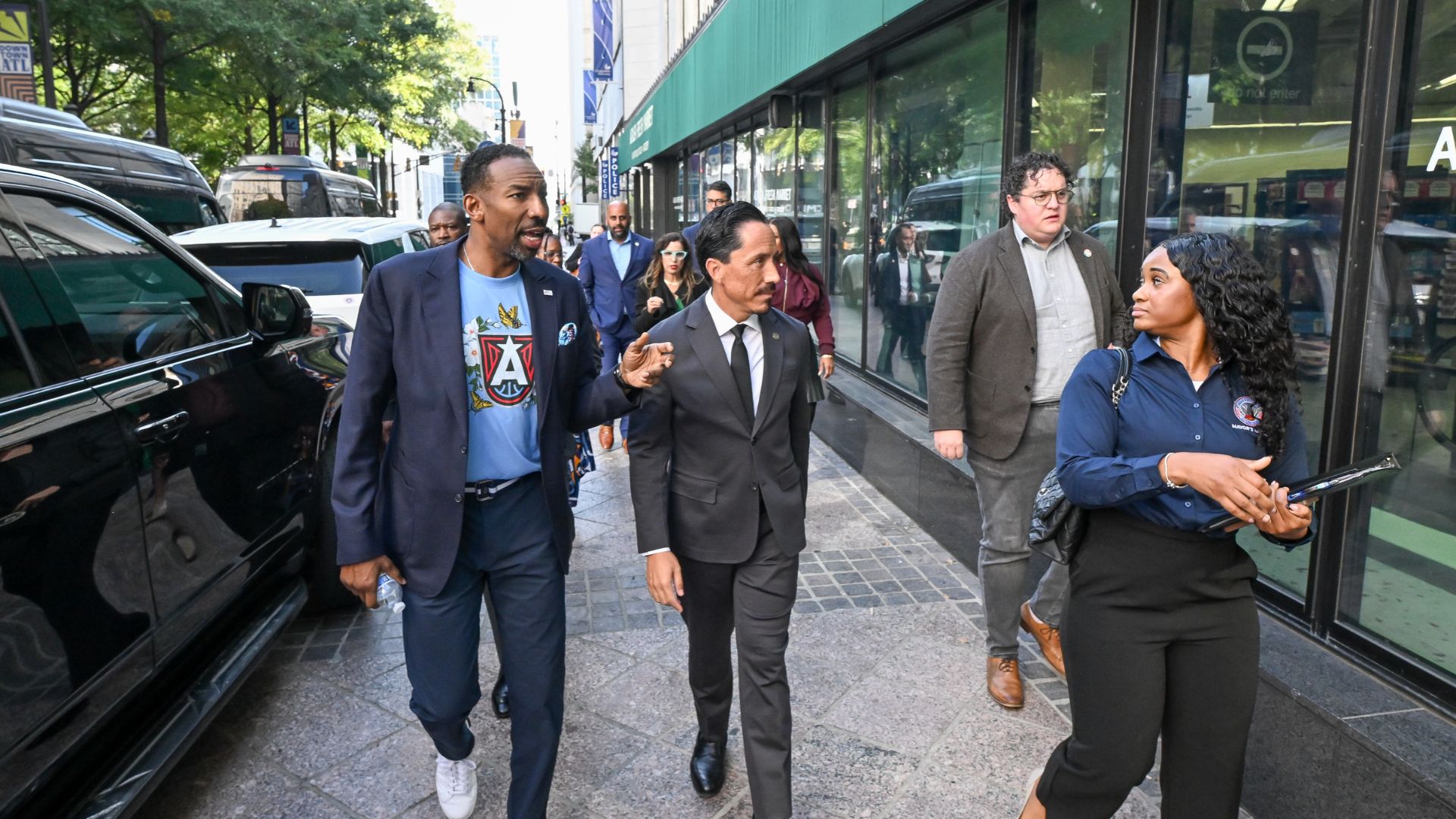
Atlanta, Georgia – A downtown filled with impressive buildings means little if the people living there cannot afford groceries, find suitable housing or enjoy safe public spaces. Atlanta is trying to change that equation, putting everyday needs at the center of its downtown revival.
The challenge is substantial. With approximately 31% of Downtown Atlanta’s office space sitting vacant, city leaders are looking beyond the traditional business district model and imagining something different: a neighborhood where people actually want to live.
That vision shaped two major gatherings last week. Mayor Andre Dickens joined business and community leaders for the annual State of Downtown Breakfast on October 28, followed by the final stop of the U.S. Conference of Mayors’ National Affordability Tour on October 29.

Read also: Fulton County exhibit turns gold and diamonds into symbols of ancestry instead of wealth
Both events highlighted the same priority. Downtown’s future depends not only on attracting investment but also on making life more affordable and convenient for residents.
Several major redevelopment projects are already moving that effort forward. Centennial Yards is transforming 50 acres of the former Gulch into a mixed-use district, while South Downtown is attracting investment into historic properties and businesses.
Another ambitious project, The Stitch, would create 17 acres of public green space while reconnecting neighborhoods separated by the Downtown Connector.
Housing remains equally important. Projects at 5 Peachtree and Folio House are advancing, alongside efforts to preserve homeownership opportunities at the Healey and William-Oliver buildings.
Public safety is another part of the strategy. Dickens reported that overall crime has declined 19% in Zone 5, which includes Downtown Atlanta.
But one of the most practical signs of progress has nothing to do with skyscrapers.
Azalea Fresh Market, located inside the historic Olympia Building on Peachtree Street, has helped address a longstanding shortage of convenient grocery options for Downtown residents and Georgia State University students.
Developed through cooperation involving the city, Invest Atlanta and Savi Provisions, the market welcomed more than 250,000 customers over the past year, according to Dickens.
The city now plans another grocery location on Campbellton Road, supporting its broader goal of ensuring every Atlanta resident can access fresh, affordable food within half a mile by 2030.
Other improvements discussed during Downtown Day included a new dog park at Woodruff Park, historic preservation initiatives and the 30th anniversary of Downtown’s Ambassador program.
For Atlanta, the real test comes next. New developments may transform the skyline, but affordable housing, accessible groceries, safer streets and welcoming public spaces will determine whether Downtown becomes a thriving neighborhood rather than simply a place people visit.

