
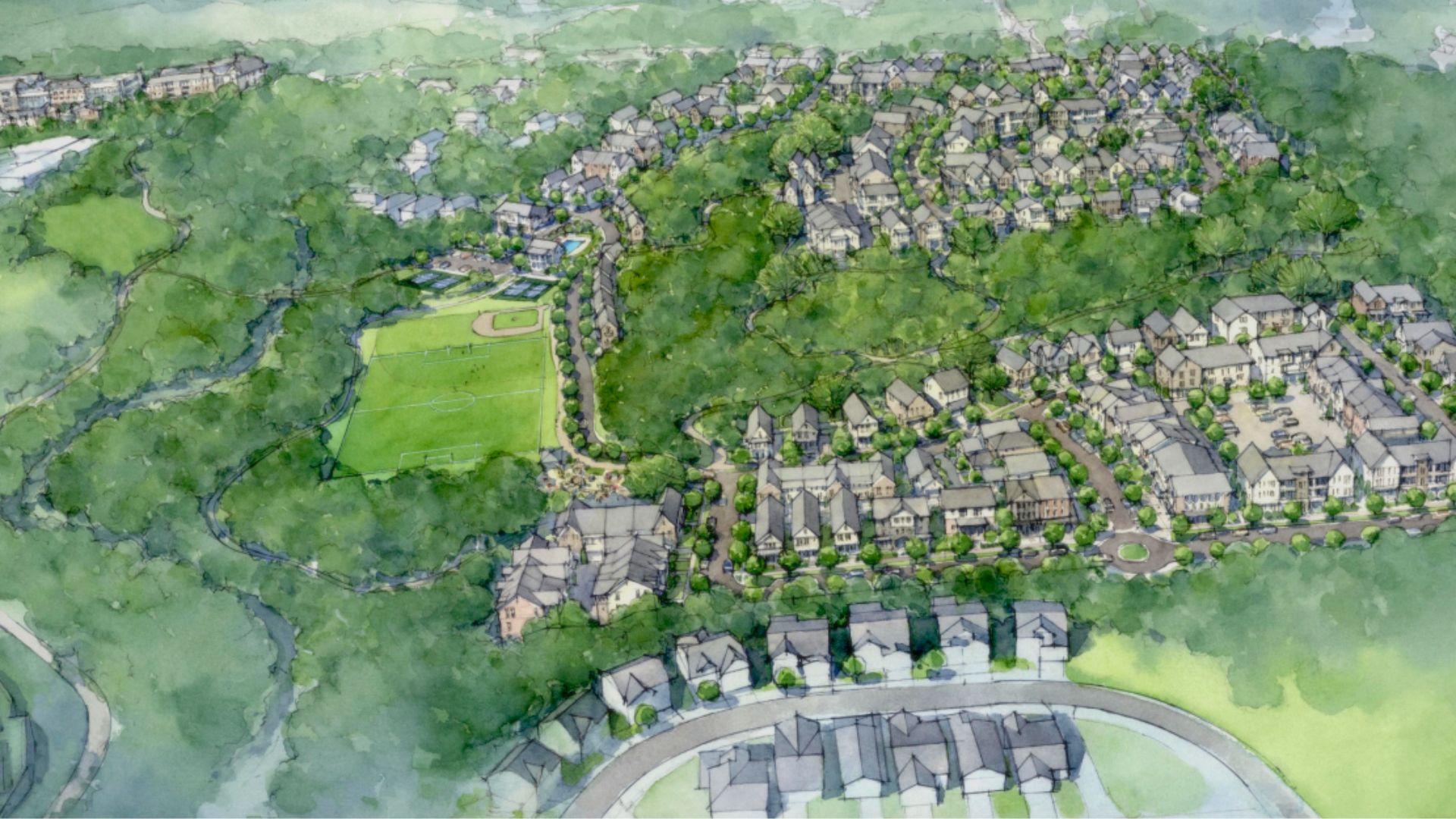
Atlanta, Georgia – Atlanta is moving ahead with a major plan to turn the long-unused Gun Club site into a new mix of housing, green space and neighborhood connections, marking another step in the city’s push for growth that reaches beyond downtown and into communities that have waited years for investment.
The Atlanta Urban Development Corporation and the Dickens Administration announced a strategic partnership with Brock Built Homes, LDG Consulting, Atlanta Land Trust and EQ Housing Advisors for the redevelopment of the 44-acre property. The project is expected to bring affordable rental units, for-sale homes, a public park, a multi-use trail and other community amenities to the site.
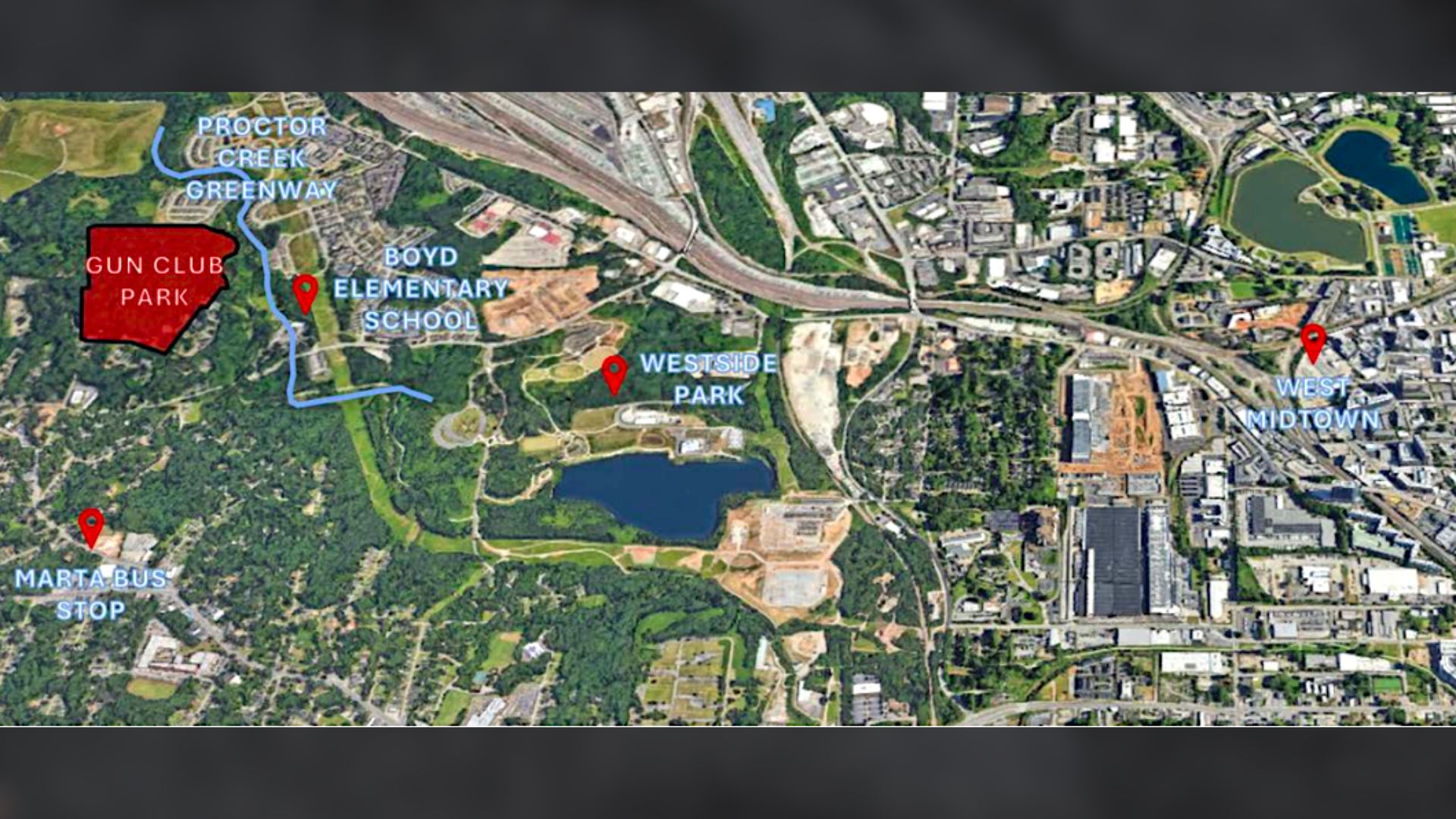
The Gun Club property sits inside a Neighborhood Reinvestment Initiative priority neighborhood, placing it within a broader city effort to direct investment, protect residents from displacement and improve quality of life in historically underserved areas. City officials said the redevelopment is not just about building homes, but about linking housing, mobility, recreation and long-term opportunity in one project.
“This groundbreaking partnership exemplifies our vision for inclusive growth and community-centered development,” stated Mayor Andre Dickens.
“By bringing together best-in-class developers committed to affordability and quality, we are advancing toward our goal of creating and preserving affordable housing while creating a blueprint for how public-private collaboration can transform neighborhoods and expand opportunity for all Atlantans.”
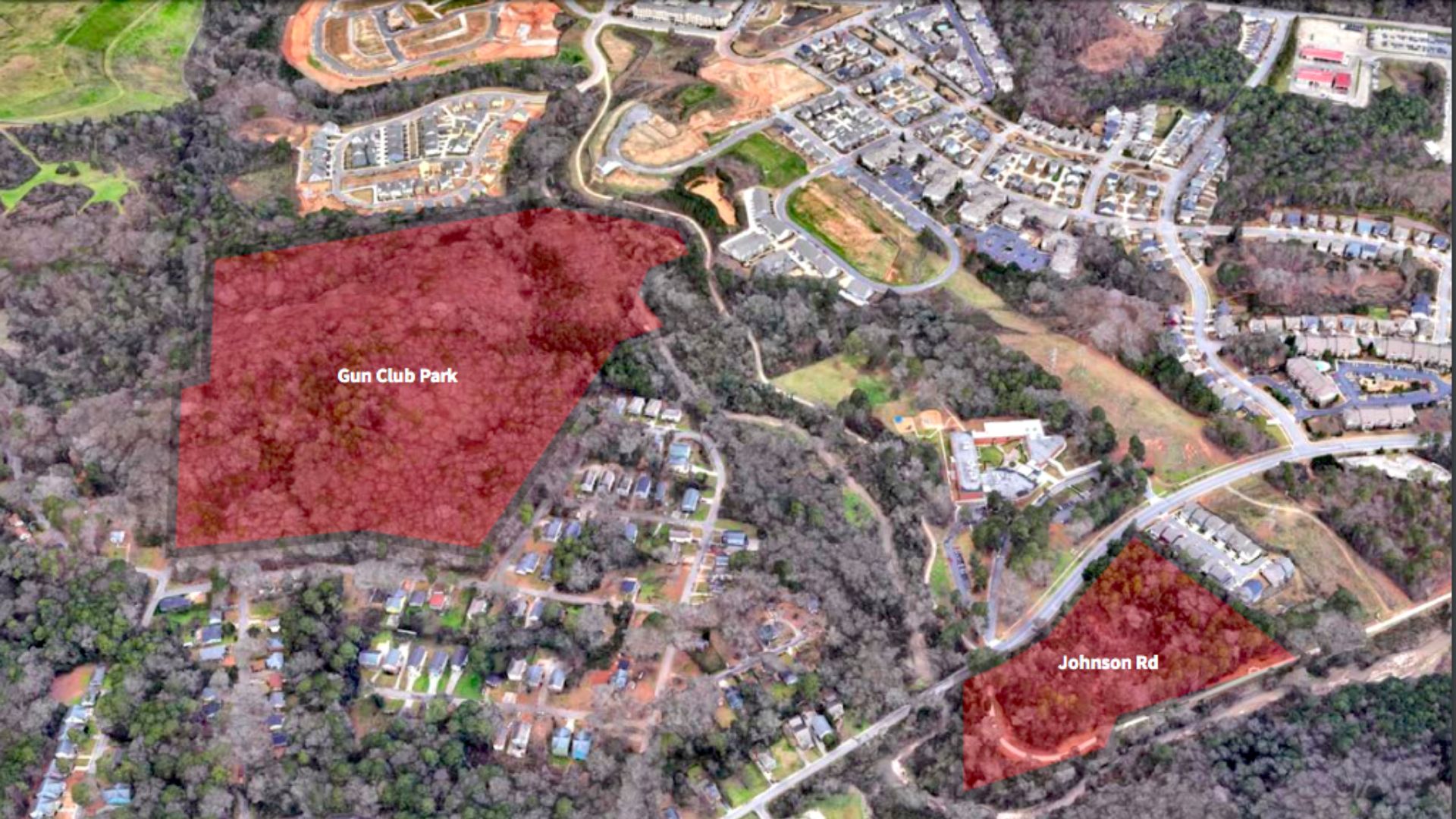
The development will also include the Proctor Creek Greenway, part of the TrailsATL network that connects neighborhoods across Atlanta. Its location near Boyd Elementary School adds another layer to the plan, supporting Safe Routes to School efforts that encourage safer walking and biking for students and families.
AUD said the agreement followed a rigorous and transparent selection process. John Majors, the organization’s president and CEO, described the investment as one that reaches beyond construction.
“This significant investment represents more than housing—it’s about building community, creating pathways to homeownership, and ensuring Atlanta remains accessible to residents across all income levels,” Majors said.
Horizontal construction is scheduled to begin in early 2027. Phase 1 will include residential work as well as public infrastructure, including trail connections and park space. AUD said community engagement will continue throughout the process.
District 9 Councilmember Dustin Hillis said the project shows how abandoned park land can be reused for several public benefits at once, including new housing, expanded affordability, public greenspace and better connections across Northwest Atlanta.

