
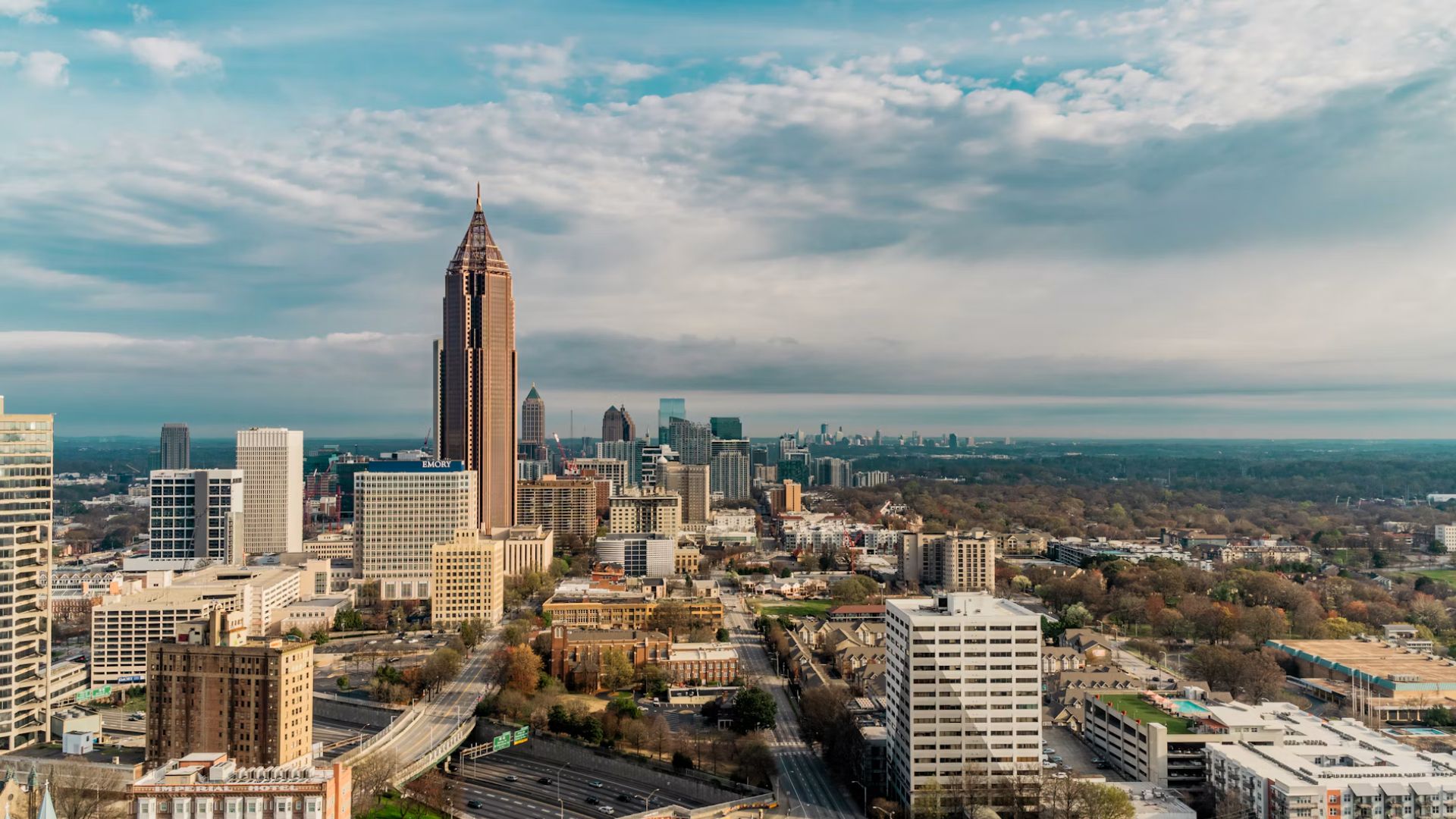
Atlanta, Georgia – Atlanta is becoming a better place to live in many neighborhoods, but there is a catch. As communities improve, some longtime residents are finding it increasingly difficult to afford staying in the places they have called home for years.
A new study examining more than a decade of neighborhood changes reveals major gains in health, education, environmental conditions and economic opportunity. Yet the findings also expose a troubling divide: while some communities are moving forward quickly, others continue to struggle, and rising housing costs threaten to push existing families out.
Released in August 2026 by Georgia Tech’s Center for Urban Research, The State of Atlanta’s Neighborhoods examines 102 Neighborhood Statistical Areas, comparing conditions between 2012 and 2023.
One of the report’s most encouraging findings involves Atlanta’s Child Opportunity Index, which measures factors influencing children’s opportunities to thrive.
The city’s overall score climbed from 39 in 2012 to 60 in 2023. Improvements in health and environmental conditions were particularly strong, supported partly by investments in parks, trails and neighborhood redevelopment.
The study identified 31 neighborhoods with substantial improvements, including communities near the Atlanta Beltline, Memorial Drive and Cascade Road. West End, Adair Park, Summerhill and Old Fourth Ward were among the areas experiencing positive changes.
However, the progress was far from universal.
Researchers found that 37 neighborhoods remained persistently low-opportunity, particularly across Atlanta’s western, southwestern and southern sections.
Housing affordability presents another serious concern. According to the report, 50 of the city’s 102 neighborhood areas have limited housing accessibility for households earning no more than 80% of the area’s median income.
Additionally, 11 neighborhoods displayed strong indicators of gentrification, including population growth, increased homeownership and declining proportions of Black residents.
Mayor Andre Dickens emphasized that economic growth must benefit existing communities rather than force residents to relocate.
“Atlanta is growing, but growth alone is not enough,” Dickens said, stressing the importance of investing in underserved neighborhoods while protecting legacy residents from displacement.
The findings also support Atlanta’s Neighborhood Reinvestment Initiative, which brings together public, private and philanthropic resources to improve communities facing longstanding challenges.
City leaders intend to use the research to better identify neighborhoods needing additional investment while keeping residents and local community assets central to revitalization efforts.
Read also: Alpharetta brings free Halloween fun to families this Saturday with four-hour Boo Bash Festival
The report’s message is clear: Atlanta has made measurable progress, but its next challenge is ensuring families can afford to remain in the neighborhoods benefiting from that success.

