
Atlanta, Georgia – Atlanta is no longer treating artificial intelligence as a distant idea. In some city operations, it is already helping find water leaks, spot illegal dumping and answer residents’ questions before a human employee ever needs to step in.
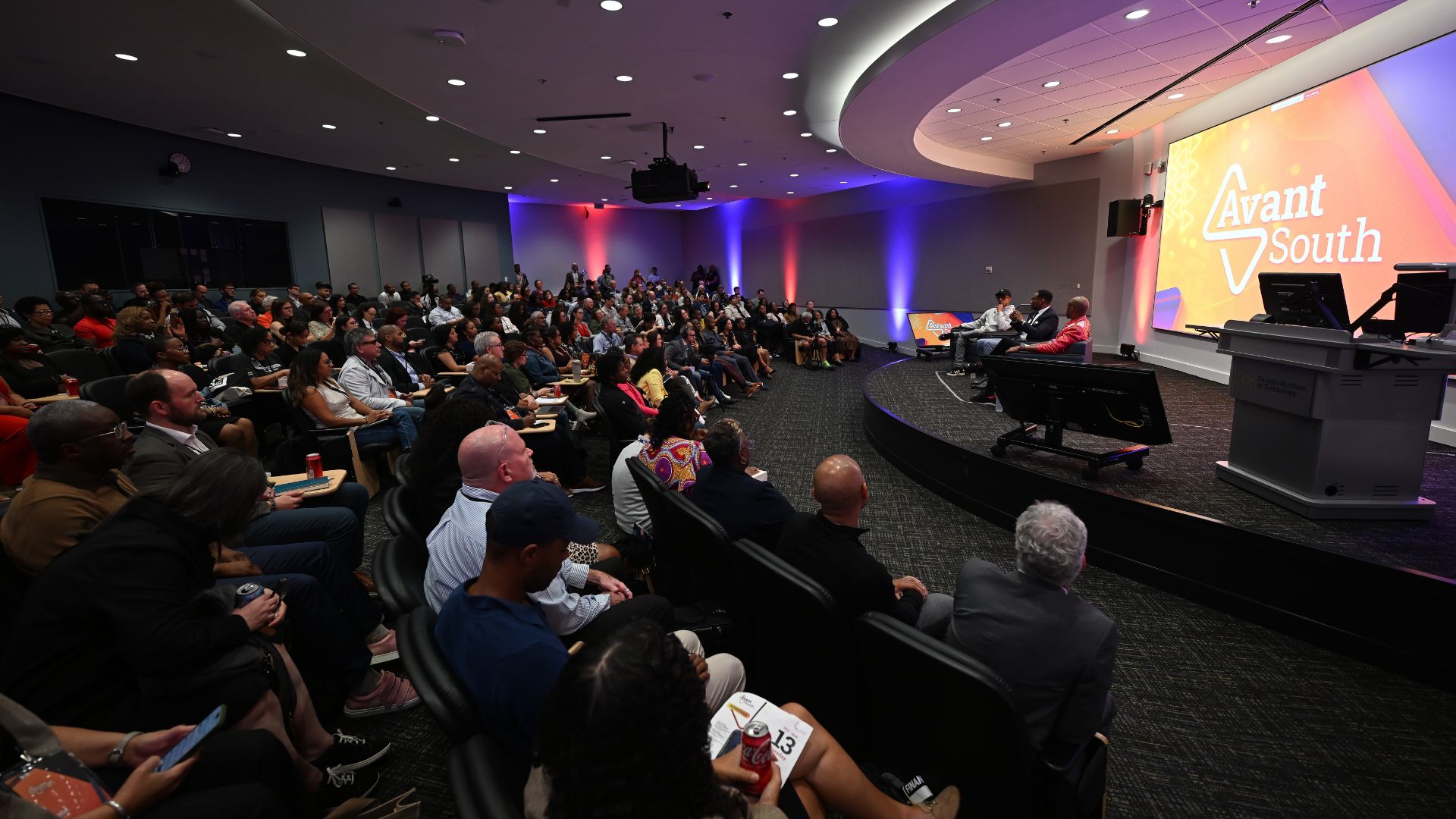
That practical side of AI took center stage at Avant South 2026, held October 12–13 at Georgia Tech. This year’s theme, AI in Action, brought together leaders from technology, business, higher education and the creative industries to examine how artificial intelligence is being used now, not just what it might do years from today.
Several examples came directly from Atlanta’s own departments. The Department of Watershed Management is using AI-supported technology to detect possible leaks and infrastructure issues. One initiative identified 61 leaks, an effort that helped conserve hundreds of millions of gallons of water.
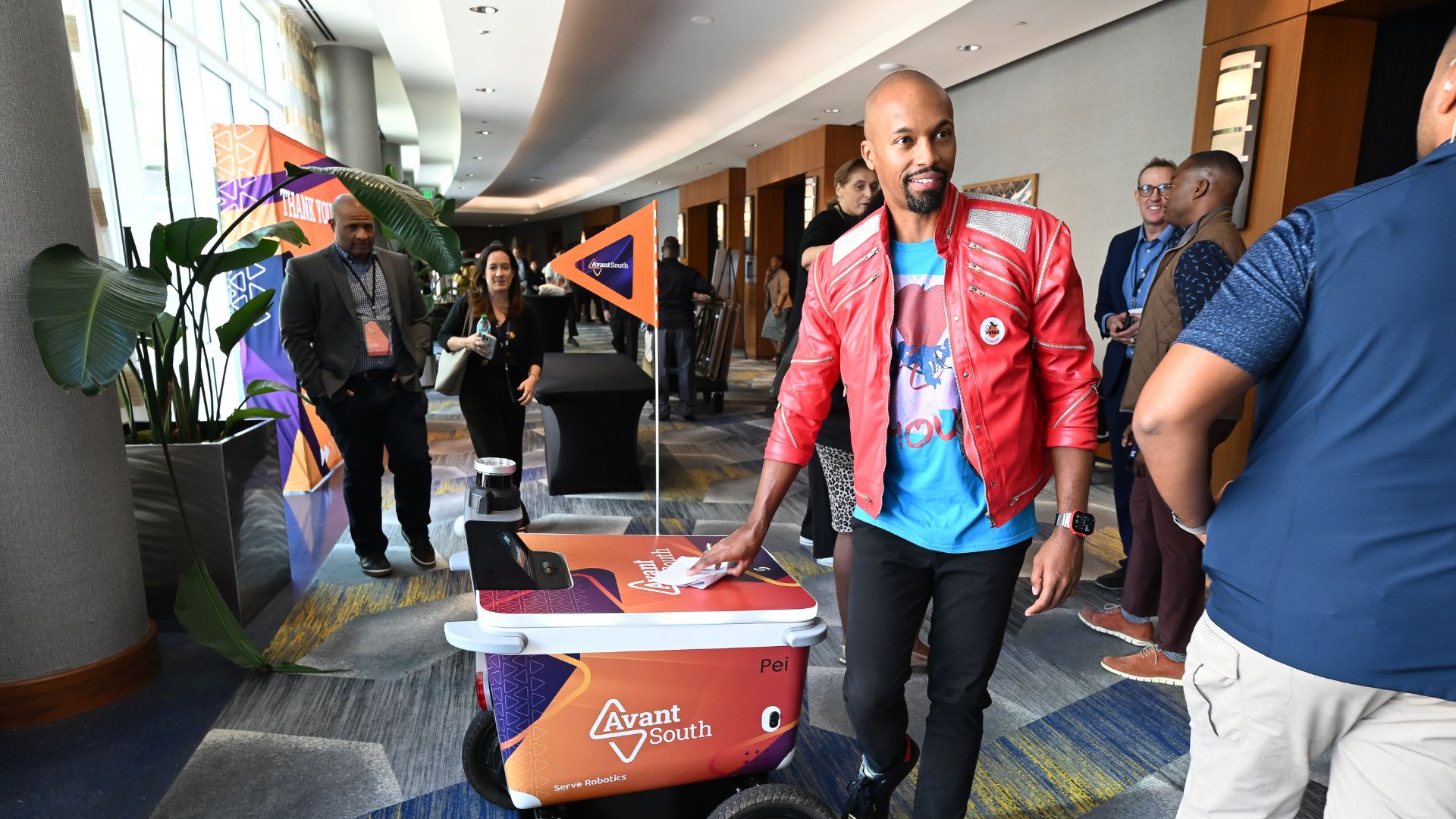
Public Works is also testing the technology in the field. Seven solid-waste vehicles have been equipped with AI-enabled cameras that can help identify litter and illegal dumping, giving crews more information about where cleanup work is needed.
The Atlanta Department of Transportation is using AI together with LiDAR technology to evaluate roads, sidewalks, curb ramps and street signs. The data can then support decisions about where improvements should be planned.
Residents may also encounter AI through ATL311, where an AI-powered chatbot provides answers to common questions around the clock without requiring callers to wait for a live agent.
The broader discussion continued Tuesday when Mayor Andre Dickens joined Atlanta music producer Dallas Austin for a fireside chat moderated by Donnie Beamer. The session, The City We’re Building, focused on the relationship between technology, creativity and Atlanta’s future.
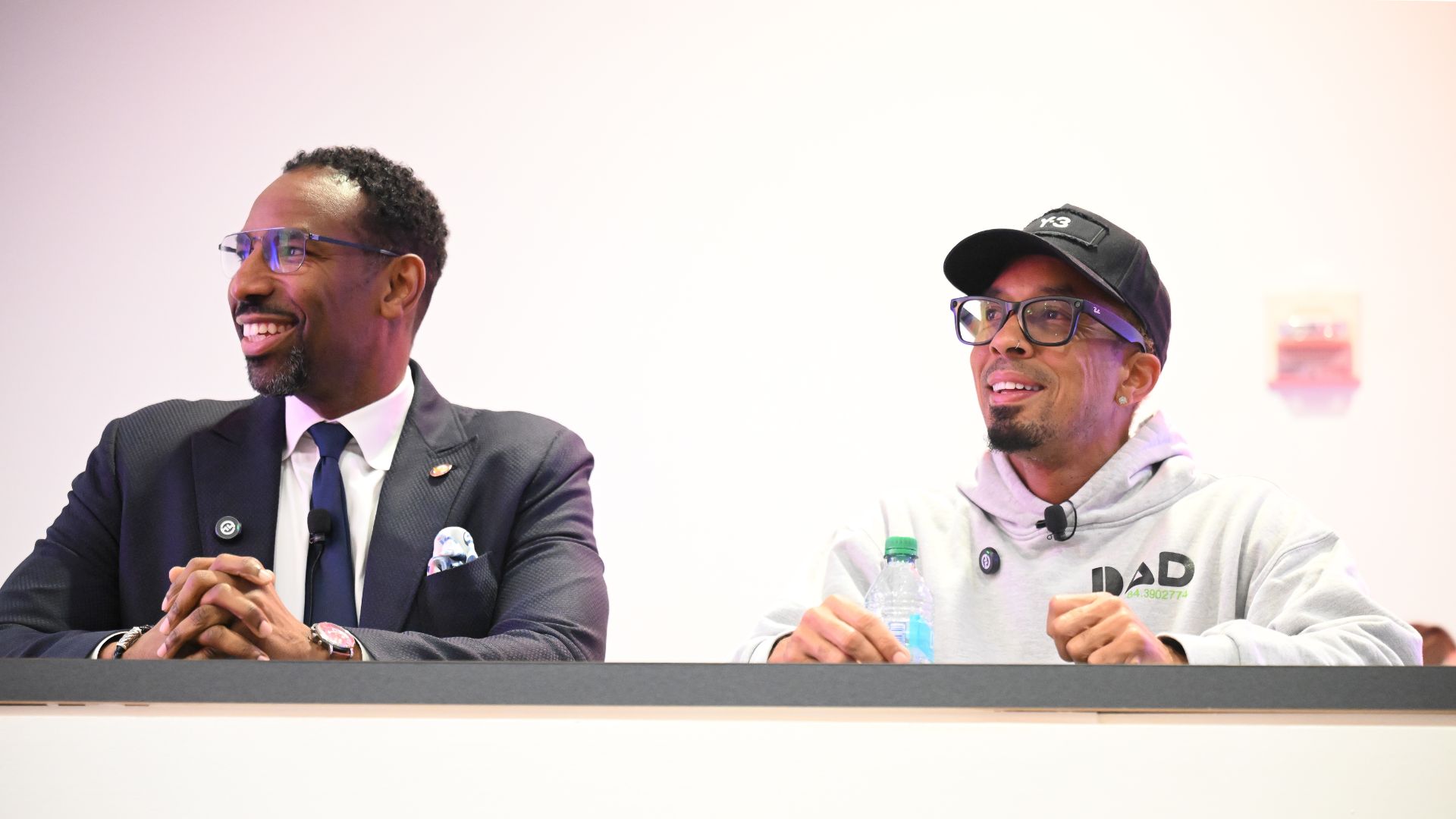
Dickens said the City’s interest in AI goes beyond simply making government faster.
“The goal for us as government is not just efficiency for efficiency’s sake. It’s to serve people better and to serve people equitably,” Mayor Dickens said.
The conversation also addressed Atlanta’s creative economy and the need to make sure new opportunities extend beyond a small number of communities. Dickens pointed to the Neighborhood Reinvestment Initiative and the City’s work to direct resources toward neighborhoods that have experienced long periods of underinvestment.
Read also: Alpharetta brings free Halloween fun to families this Saturday with four-hour Boo Bash Festival
Avant South 2026 ultimately reflected a broader goal for Atlanta: use new technology carefully, apply it to real problems and make sure the benefits of innovation reach residents across the city.

