
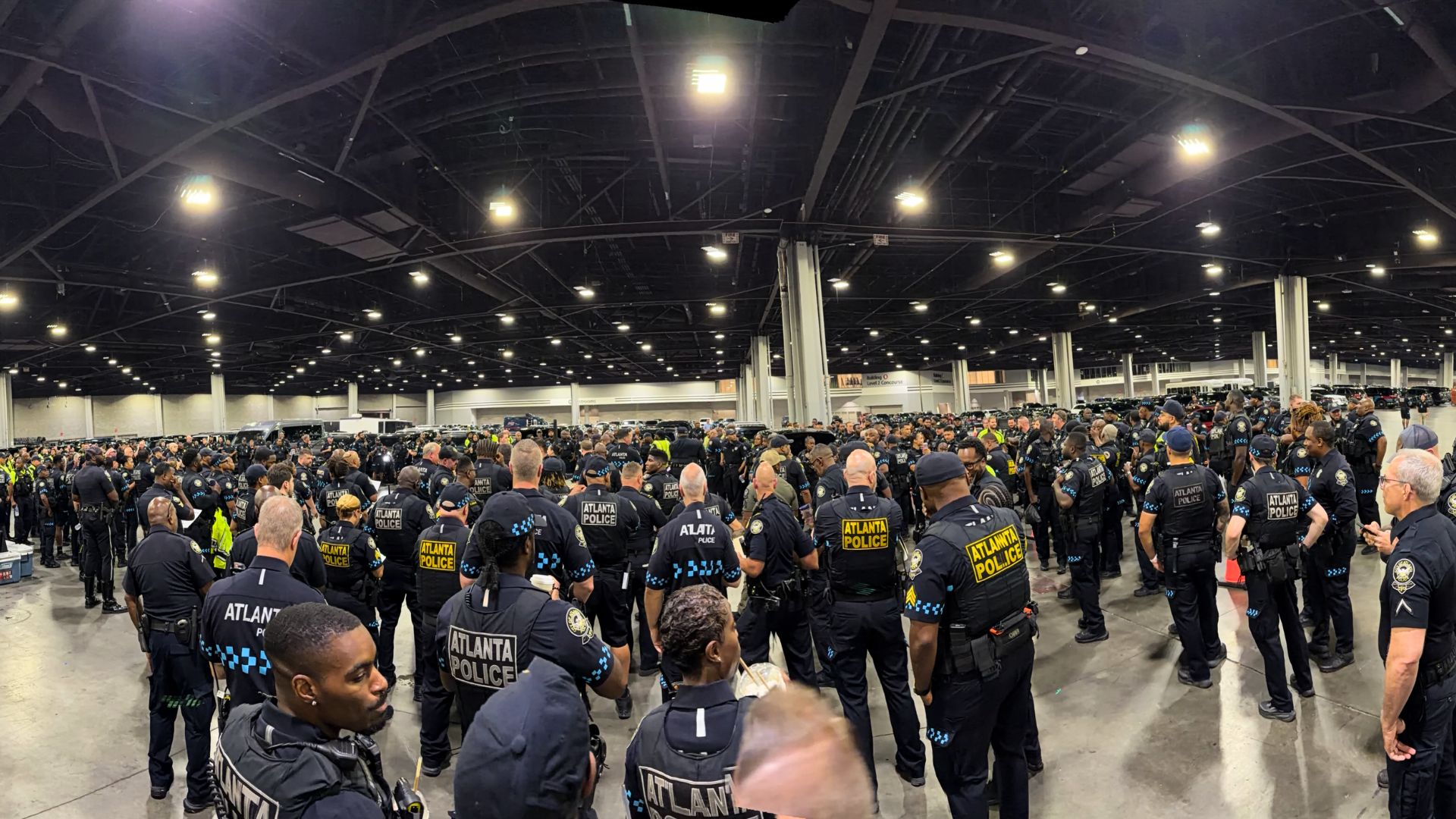
Atlanta, Georgia – Atlanta’s public safety story at the halfway mark of 2026 is not a victory lap. It is quieter than that. It is the sound of fewer sirens, fewer shattered windows, fewer families getting the call nobody should ever receive.
The numbers released by the City of Atlanta on July 2 point in one clear direction: crime is still moving down. As of July 1, overall crime was 15% lower than at the same point last year, with homicides down 16% and property crime down 21%, according to the city’s mid-year update.
The homicide count tells the sharpest part of the story. Atlanta recorded 42 homicides in the first half of 2026, down from 50 during the same period in 2025. If that pace continues, the city would finish the year near 84 homicides, a major shift from the 2022 peak, when Atlanta reported 171 homicides and a rate of 34.2 per 100,000 residents.
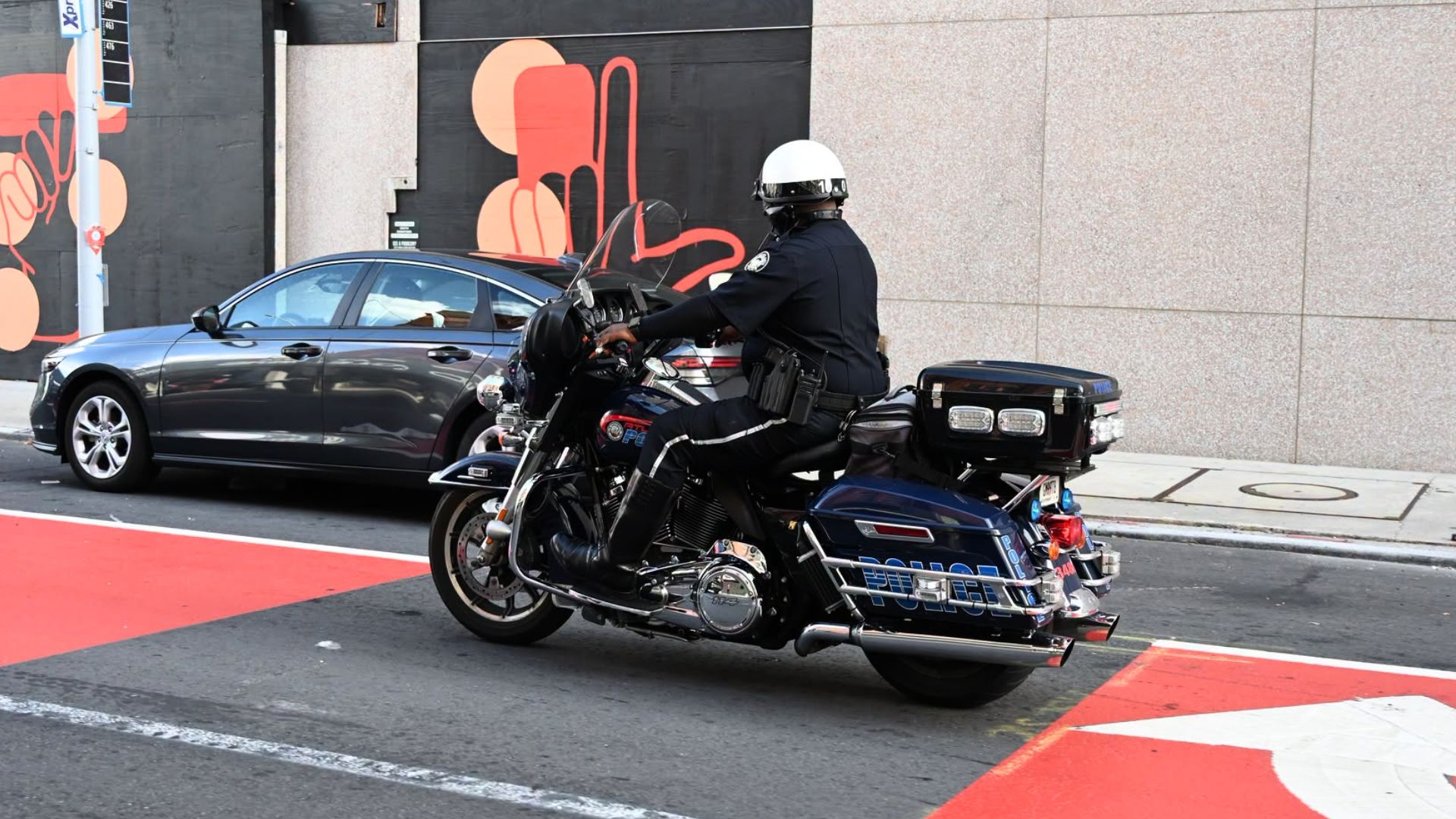
That 2022 number now stands as a grim marker in the city’s recent history. Since then, the decline has been steady: 135 homicides in 2023, 126 in 2024, 98 in 2025, and now a projected 2026 total that would place Atlanta on track for one of its lowest annual homicide counts in years.
The broader trend is also significant. Since 2022, overall crime in Atlanta has fallen 21%, while homicides have dropped by more than half. Motor vehicle theft is down 34%, and theft from vehicles has fallen 47%. For residents, those property crime numbers matter in daily life. A stolen car, a smashed window or a missing work bag may not always make citywide headlines, but it changes how people feel about a street, a parking lot or a neighborhood.
City officials attributed the progress to “targeted enforcement, community partnerships, and ongoing investments in public safety.” The work is tied to Mayor Andre Dickens’ #OneSafeCity strategy, which brings together law enforcement, city agencies, community groups and residents around a wider safety plan.
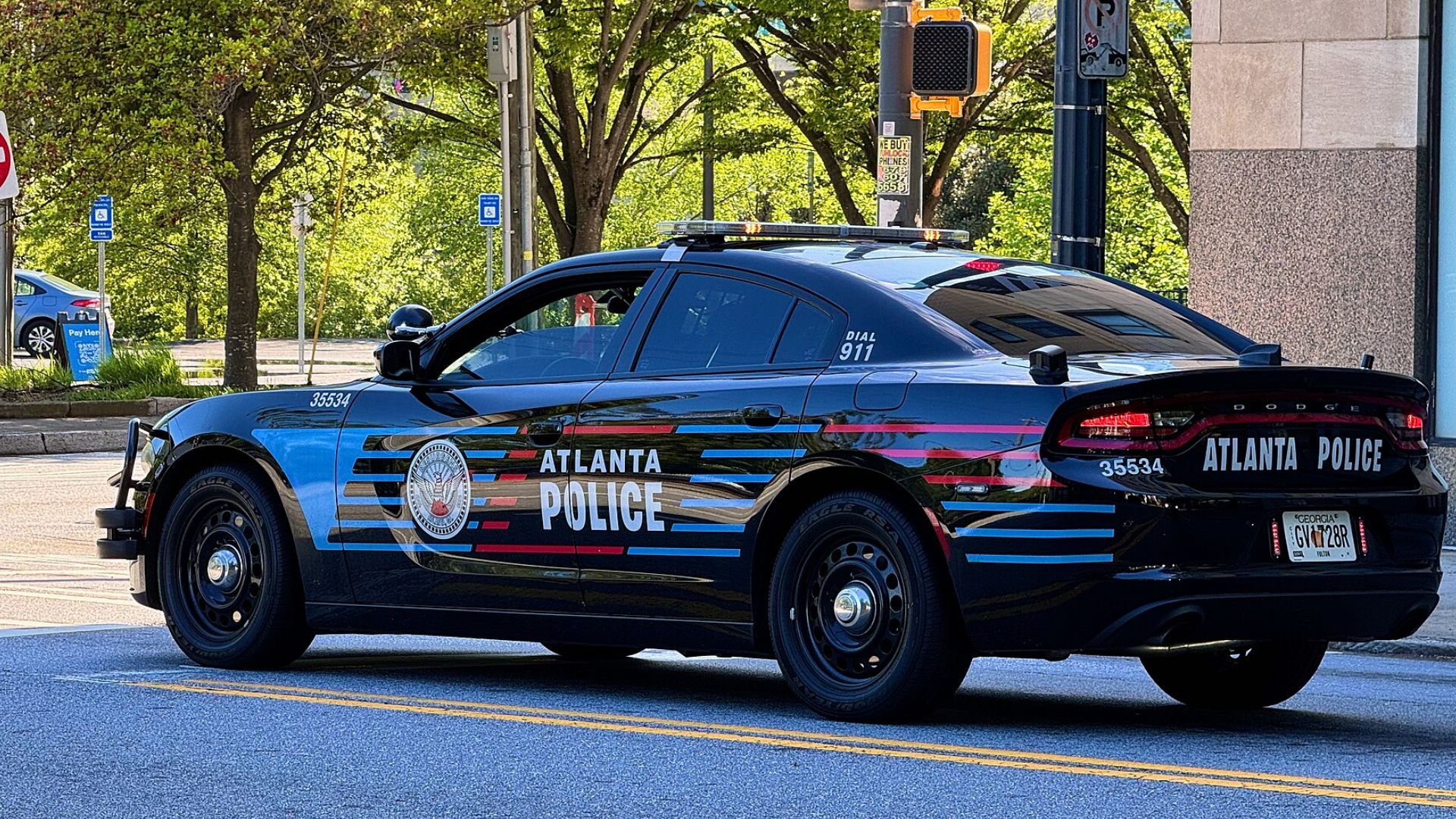
That plan has focused not only on enforcement, but on the patterns behind crime: gangs, illegal guns, drugs, repeat offenders and the conditions that allow violence to take root. Atlanta police operations, recruitment efforts and community partnerships have all been part of the city’s push to keep the numbers moving in the right direction.
The timing also matters. Atlanta is moving through 2026 with major events and growth pressures on the horizon, including preparations connected to the FIFA World Cup. A safer city is not just a policing goal; it affects tourism, business confidence, neighborhood stability and whether residents feel comfortable moving through their own communities.
Read also: Fulton County residents can help shape how local job support works through 2027
Still, officials are not treating the mid-year data as a finish line. “We remain focused on sustaining this progress, addressing emerging trends, and continuing to build safer neighborhoods for all,” the city said.
Residents who want to look beyond the summary numbers can follow the data directly. The Atlanta Police Department’s Open Data Portal allows the public to view reported crimes and download current and historical crime data, while APD also posts weekly crime reports through its crime statistics page.
For now, the mid-year picture gives Atlanta something measurable: fewer homicides, fewer property crimes and a multi-year decline that has not yet lost momentum. The second half of 2026 will test whether the city can hold that line. But at mid-year, the trend is unmistakable. Atlanta is not just reporting better numbers. It is trying to turn them into a safer normal.

